

 IT
IT
Notizia

what's a hose clamp?
 2026.07.01
 Novità del settore
What Is a Hose Clamp and Why Does the Type You Choose Matter
A hose clamp is a mechanical fastener used to attach and seal a flexible hose onto a fitting such as a pipe nipple, barb, or tube end. The short answer to what's a hose clamp is simple: it is the component that keeps oil, air, coolant, or water from leaking at a hose connection by applying even, controlled radial pressure around the hose. The right choice among the many types of hose clamps directly affects sealing performance, vibration resistance, and how long a connection lasts before it needs maintenance.
Hose clamping is not a one-size-fits-all task. A clamp that performs well on a low-pressure garden irrigation line may not be suitable for a high-vibration engine bay or a marine fuel system. Understanding hose clamp sizes, hose clamp styles, and material options helps buyers and engineers select hardware that matches the actual working conditions of the pipe or hose system.
Types of Hose Clamps: A Practical Comparison
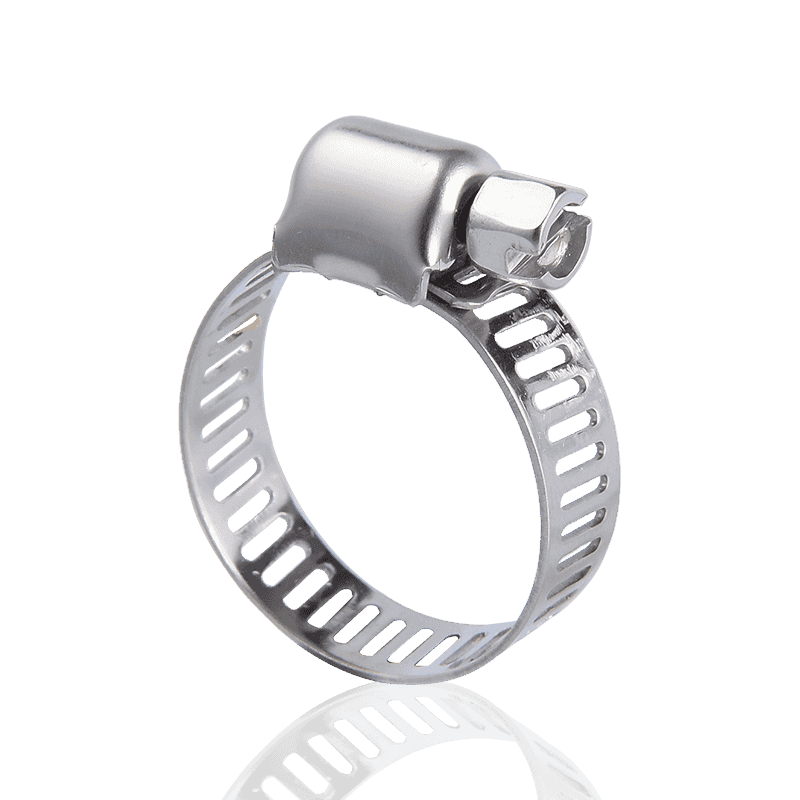
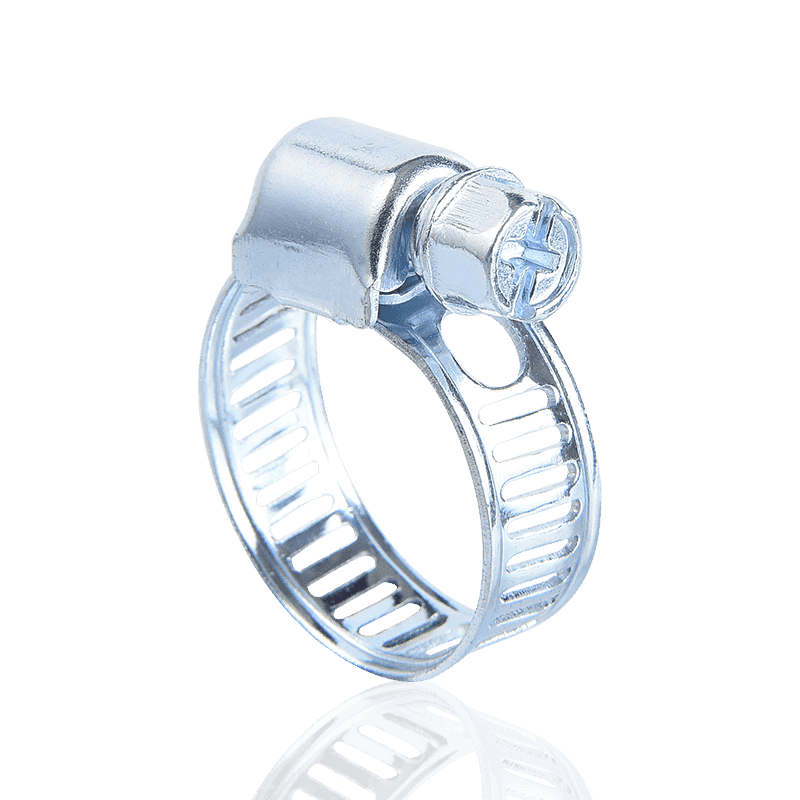
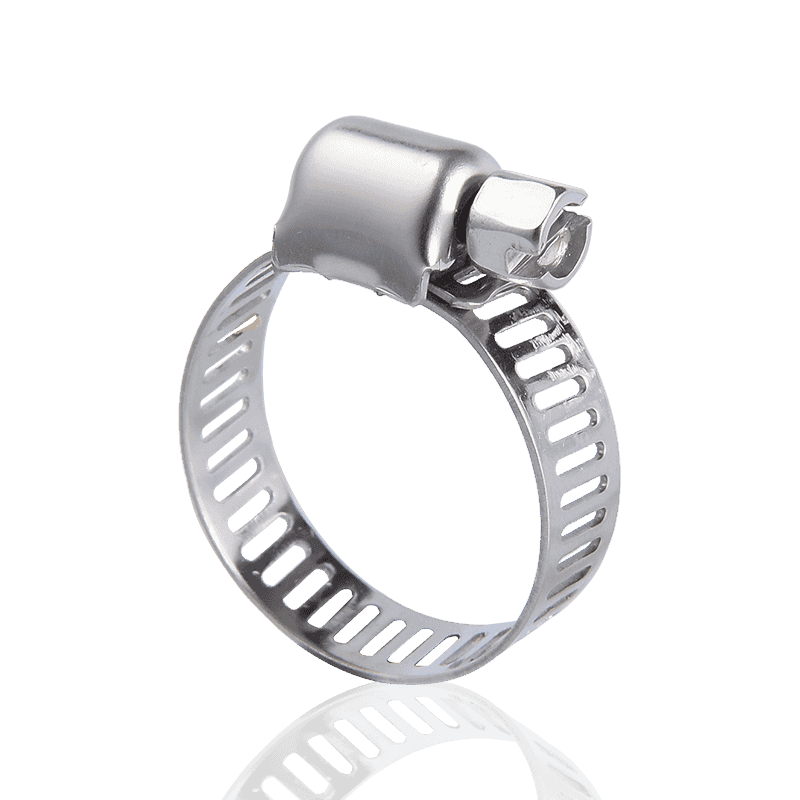
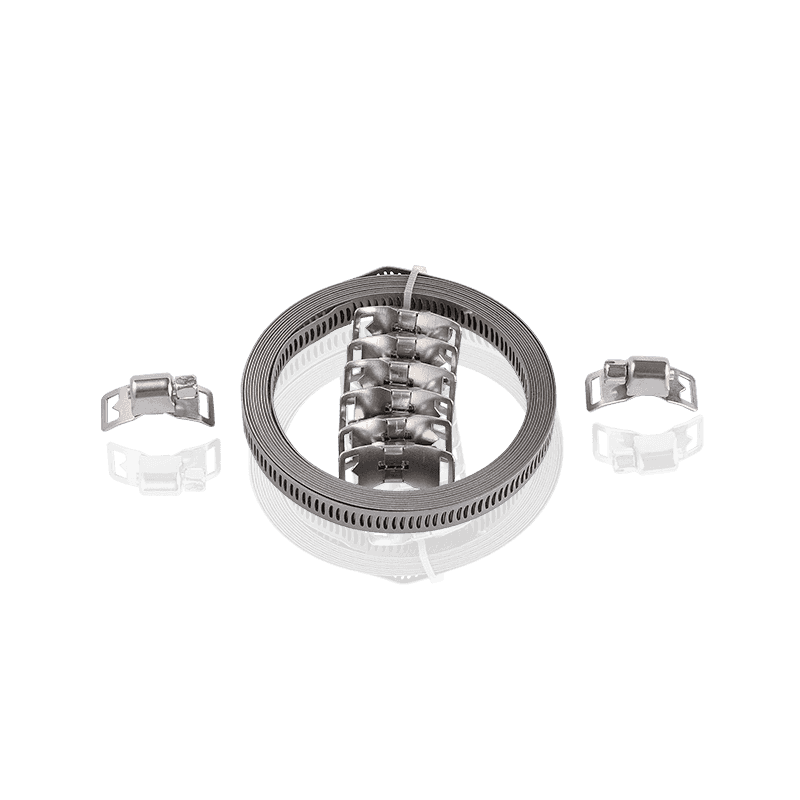
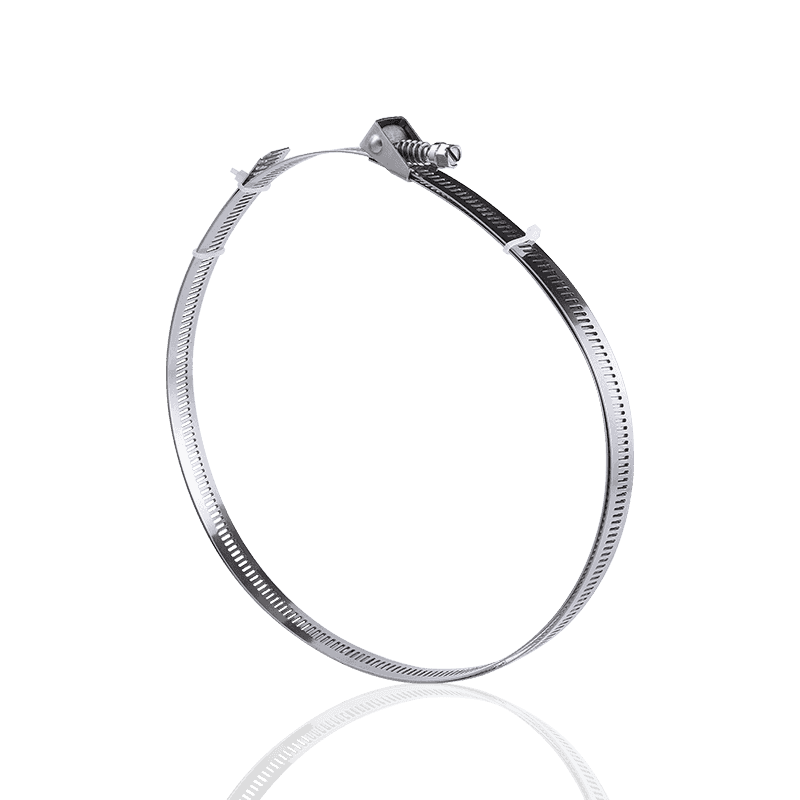
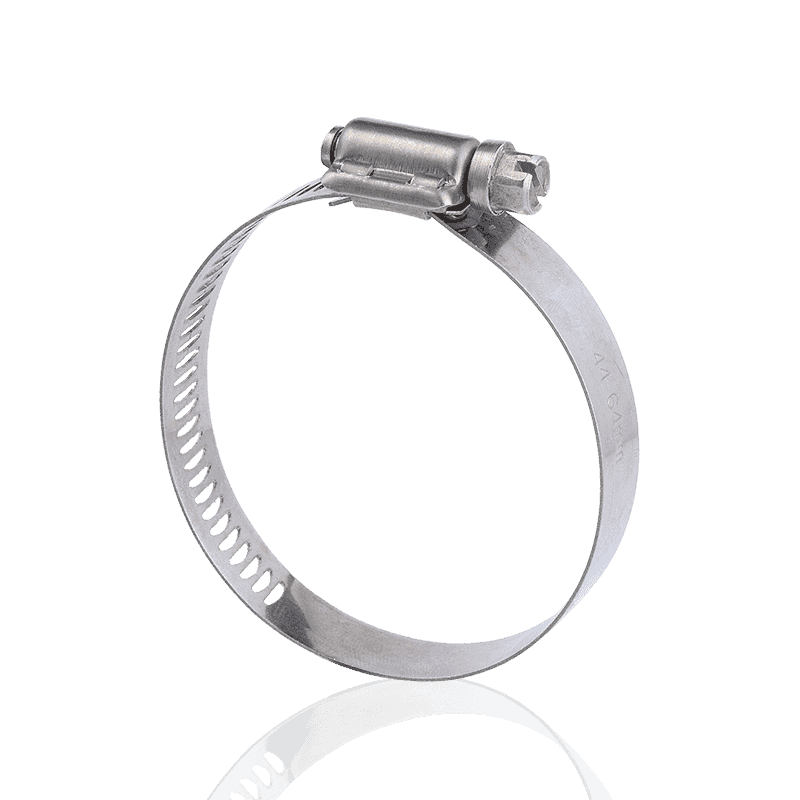
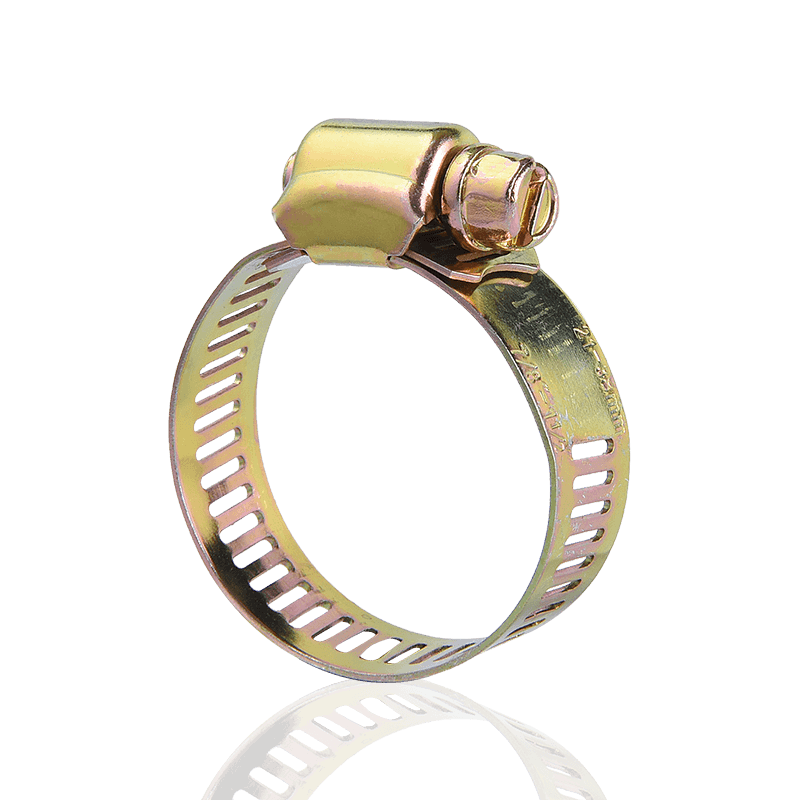
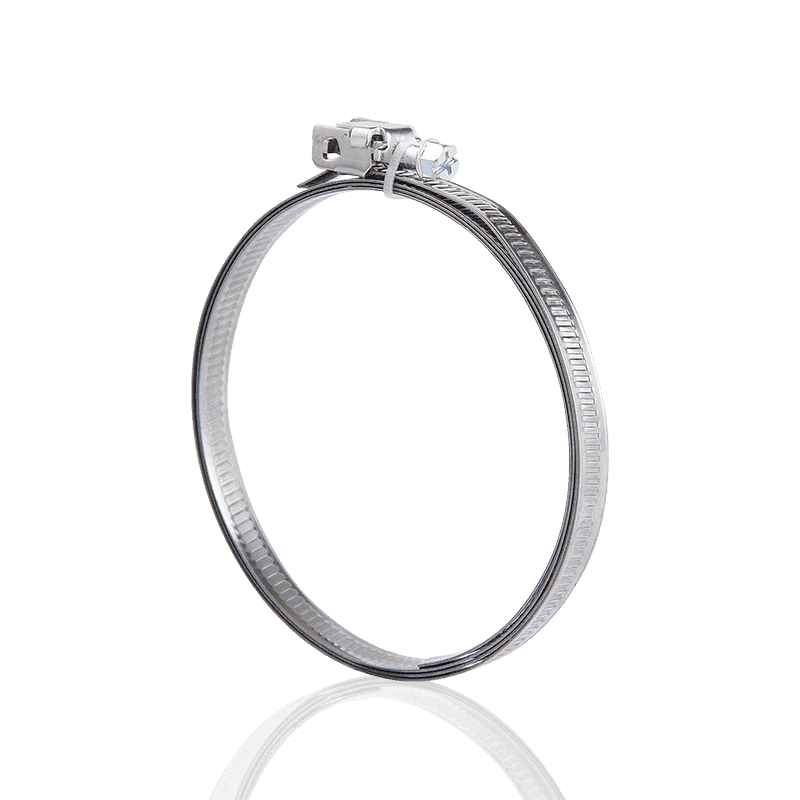
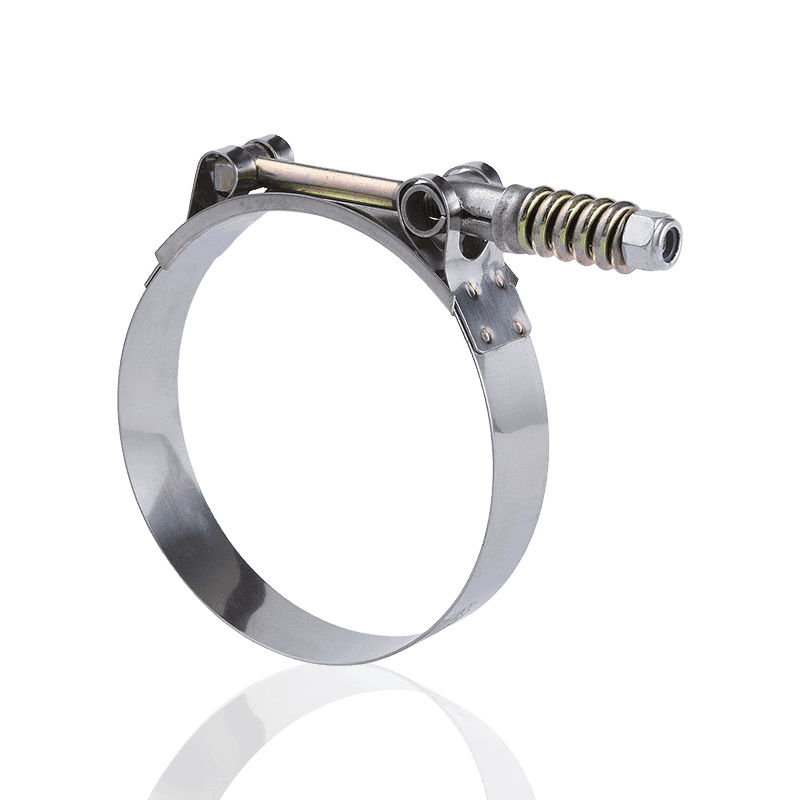
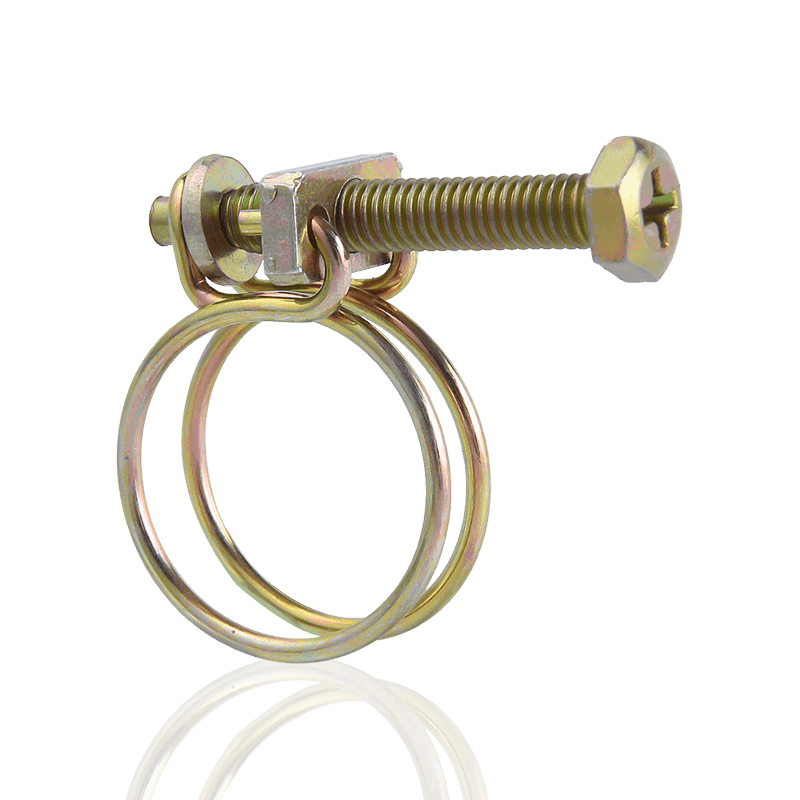
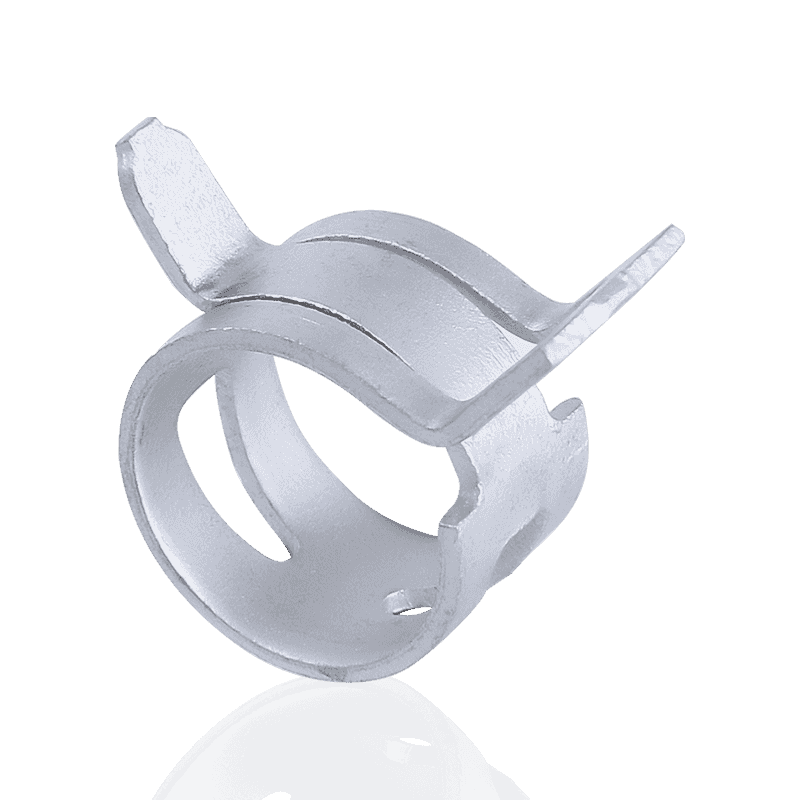
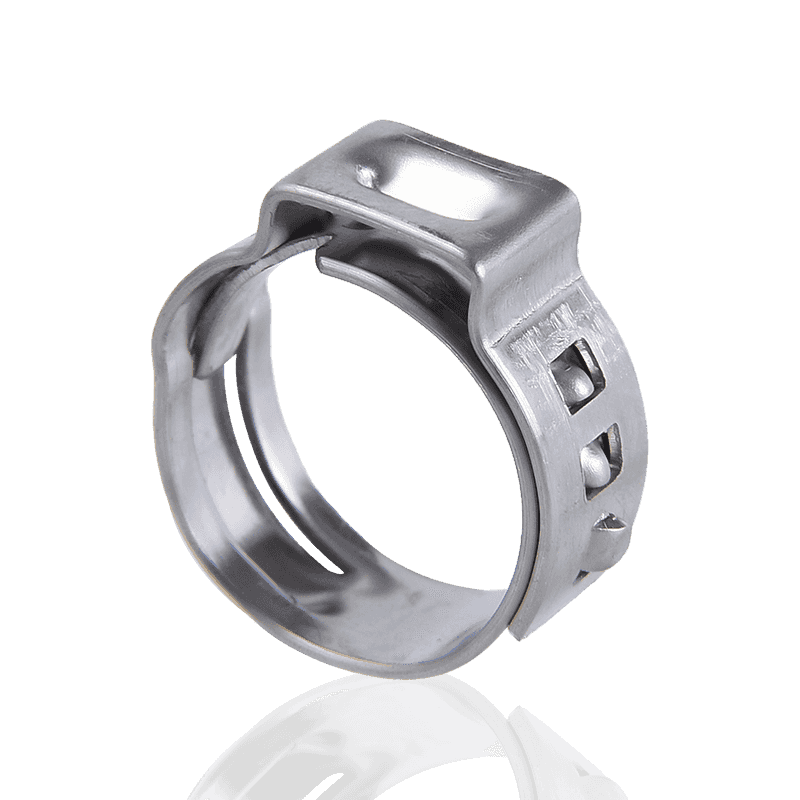
When people search for types of hose clamp or different kinds of hose clamps, they are usually trying to match a clamp design to a specific job. The main categories include British style, German style, American style, strong (heavy duty) style, screw hose clamp designs, crimp hose clamp types, and single ear clamps. Each style of automotive hose clamps and industrial hose clamps has a distinct structure suited to particular pressure ranges and installation methods.
| Clamp Style | Structure | Typical Use | Reusable |
|---|---|---|---|
| British style screw hose clamp | Worm gear band | Automotive, marine pipe connections | Yes |
| German style hose clamp | Reinforced band, narrow gap | Heavy machinery, high pressure lines | Yes |
| American style hose clamp | Adjustable, easy-turn screw | Quick maintenance and replacement | Yes |
| Strong (heavy duty) clamp | Thicker band, high torque | Trucks, industrial equipment | Yes |
| Crimp style hose clamp | Closed ring, pressed permanently | Fuel lines, permanent assembly | No |
| Single ear clamp | Compact stepless band | Tight spaces, small diameter hoses | No |
For buyers comparing hose clamp clip options, the worm gear screw hose clamp remains the most common because it is reusable, easy to tighten with a simple screwdriver or socket, and available across a wide range of hose clamp sizes.
Hose Clamp Size Chart and Sizing Tips
Getting hose clamp sizes right is one of the most common questions buyers raise alongside hose clamp size chart and hose clamp sizes mm searches. The clamping diameter range listed on a clamp refers to the minimum and maximum hose outer diameter it can securely close around, not the band length.
| Nominal Size | Clamping Range (mm) | Common Use |
|---|---|---|
| Micro hose clamps | 6 to 16 | Small fuel and vacuum lines |
| 5/16 to 5/8 in clamping diameter | 8 to 16 | Small appliance and instrument hoses |
| Standard automotive | 16 to 38 | Radiator and coolant hoses |
| 2 inch hose clamps | 40 to 64 | Irrigation and ducting |
| Wide hose clamps | 64 and above | Large industrial and marine hoses |
When checking an ideal hose clamp size chart, it is best to measure the hose outer diameter after the hose is mounted on the fitting, then choose a clamp whose range sits near the middle rather than at either extreme, since clamps perform most evenly when not fully open or fully closed.
Approximate clamping diameter ranges for common hose clamp categories, useful as a quick visual reference when comparing hose clamp sizing options.
Steel Hose Clamp Materials and Corrosion Resistance
Why Material Selection Affects Long Term Performance
A steel hose clamp made from a properly treated alloy resists oxidation far longer than untreated carbon steel in humid or marine settings. High quality hose clamps are typically produced from stainless or galvanized steel that has been tested for tensile strength and salt spray resistance, which is why this factor is one of the first things engineers check when comparing different style hose clamps.
Field Conditions That Demand Better Hose Clamps
Engine hose clamps in particular face repeated heat cycling, vibration, and exposure to oil or coolant. A clamp with poor corrosion resistance can weaken at the screw housing, leading to slow loosening over time. This is why many buyers searching for the best hose clamp or best hose clamps for radiator hoses prioritize corrosion testing data over appearance alone.
Illustrative trend showing how properly alloyed stainless hose clamps retain structural integrity better as exposure time increases compared to untreated metal.
Stainless and treated alloy bands consistently outperform untreated steel in long term exposure testing, which is a key reason corrosion resistance should be checked before clamping diameter when narrowing down options.
Screw Hose Clamp vs Crimp Hose Clamp vs Strong and Single Ear Designs
Choosing between a screw hose clamp, a crimp hose clamp type, and other automotive hose clamps types depends on whether the connection needs to be removable, how much vibration it will face, and how much sealing force the pipeline pressure requires.
- Screw hose clamp: adjustable with a worm gear, suitable for maintenance heavy systems where the hose may be removed later.
- Crimp hose clamp: pressed into a closed ring for a permanent, very low profile seal, common on fuel and refrigerant lines.
- Strongest hose clamp designs: thicker bands and reinforced housings built for heavy duty vehicles and industrial machinery under constant vibration.
- Single ear clamp: a stepless design that distributes pressure evenly around small diameter hoses in compact spaces.
A general performance comparison across five practical attributes for a typical strong duty screw style hose clamp, showing balanced strength across sealing, vibration resistance, and reusability.
How to Select the Right Hose Clamp for Your Application
For most automotive hose clamp types, matching the clamping range closely to the hose outer diameter and choosing a corrosion resistant alloy will cover the majority of use cases. For pipeline systems handling oil, gas, or liquid media on automobiles, tractors, ships, gasoline engines, diesel engines, and sprinkler irrigation systems, a German or strong style clamp is generally preferred because of its higher torque retention. For tight or compact spaces, a single ear clamp or micro hose clamp is often easier to fit. For systems requiring periodic disassembly, a screw hose clamp remains the most practical option among the types of hose clamp available.
| Application | Recommended Style |
|---|---|
| Radiator and coolant hoses | British or American screw style |
| High pressure hydraulic or fuel lines | German or strong heavy duty style |
| Irrigation and agricultural systems | Standard worm gear screw clamp |
| Compact instrument or small appliance hoses | Single ear or micro clamp |
About Cixi Hengtuo Hardware Co., Ltd.
Cixi Hengtuo Hardware Co., Ltd. is a professional manufacturer of hose clamps and clamp series, established in 2005 and based in Cixi City, Zhejiang Province, with nearly 100 employees and an annual production capacity of 30 million hose clamps across British, German, American, strong, and single ear styles. The factory also offers customization to match specific project requirements.
All products are produced with attention to strength resistance, high pressure resistance, and corrosion resistance, and are mainly used for oil, gas, and liquid hose interfaces on automobiles, tractors, ships, gasoline engines, diesel engines, and sprinkler irrigation systems, as well as for connecting accessories in building drainage structures. With strong technical capability, complete testing methods, and a one-stop service covering development, production, and sales, the factory follows a consistent quality and fair pricing philosophy and supplies both domestic and international markets.
Frequently Asked Questions
| Q1: What's a hose clamp used for? A hose clamp secures a flexible hose onto a fitting and prevents leakage at the connection point by applying even radial pressure around the hose. |
| Q2: How do I read a hose clamp size chart? Look for the minimum and maximum clamping diameter range, then choose a size where your hose outer diameter sits near the middle of that range. |
| Q3: Are plastic hose clamps as durable as steel ones? Plastic clamps work for light duty, low pressure tasks, but a steel hose clamp generally offers higher tensile strength and better performance under heat or vibration. |
| Q4: What is the difference between screw and crimp hose clamp types? A screw hose clamp can be adjusted and reused, while a crimp clamp is pressed into a permanent closed ring and cannot be reopened. |
| Q5: Can hose clamps be customized for special diameters? Yes, many manufacturers, including factories producing British, German, American, strong, and single ear styles, offer customization for specific clamping diameters and materials. |

L'azienda punta all'eccellenza in ogni aspetto della produzione, delle vendite e del servizio post-vendita, garantendo la soddisfazione del cliente come scopo immutabile dell'impresa!
Collegamenti rapidi
Collegamenti al prodotto
Contattaci
-
Address:222 Zhouhu Road, città di Zhouxiang, città di Cixi, provincia di Zhejiang, Cina
-
Phone: +86-13736108443
-
Tel: +86-574-63441573
-
Fax: +86-574-63452355
-
E-mail:
Diritto d'autore? Cixi Hengtuo Hardware Co., Ltd. Diritti riservati. Produttore all'ingrosso di fascette stringitubo Fabbrica cinese di fascette stringitubo
